
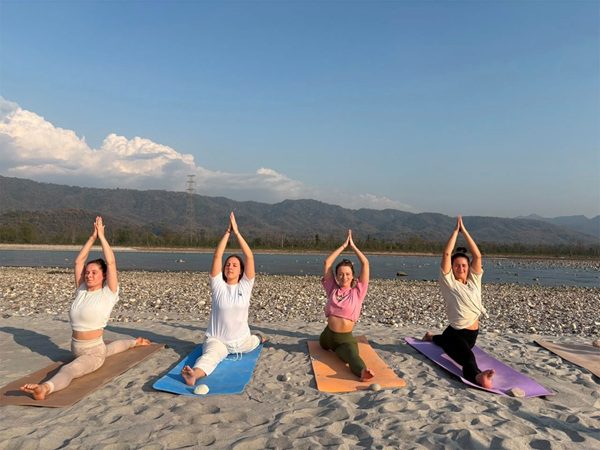
Rishikesh (Uttarakhand) [India], June 15: Many yoga practitioners believe that the high temperatures of summer are unbearable, leading them to suspend their practice. In fact, when the correct methods are adopted, summer becomes a golden period in which yoga practice can deliver transformative changes. High temperatures and high humidity often leave people drained of energy before they can complete their first sun salutation, and the practice wisdom passed down by ancient yoga practitioners over thousands of years is perfectly suited to help people overcome these challenges.
Yoga India Foundation in Rishikesh, known for its PhD-qualified teachers, has always taught students how to align their yoga practice with every season, including the hottest summer months. Whether you’re a complete beginner or a seasoned practitioner, these 7 tips will help you stay cool, hydrated, and genuinely energized — all summer long. Whether you’re a complete beginner or a seasoned practitioner, these 7 tips will help you stay cool, hydrated, and genuinely energized — all summer long.
Tip 1: Practice Cooling Yoga Poses to Beat the Heat
Not all yoga asanas are suitable for summer practice. Asanas that generate excess internal heat, such as the Warrior series and Chaturanga Dandasana, are not appropriate for summer practice, while others have a naturally cooling effect on your body.
Best cooling yoga poses for summer:
-Sitali Pranayama (Cooling Breath Pose) — practitioners curl their tongue, inhale slowly through the mouth, and exhale through the nose; practicing this technique for 5 minutes produces a significant body-cooling effect.
-Legs Up the Wall (Viparita Karani) — lie supine with the legs pressed against a wall, this pose improves circulation, reduces heat-induced swelling, and calms thnervous system.
-Seated Forward Fold (Paschimottanasana) — this pose stretches the spine, guides energy to converge inward, and helps the body cool down steadily.
-Child’s Pose (Balasana) — The ultimate rest pose. Forehead to the mat, arms stretched forward — it quiets the mind and releases tension built up from heat stress.
-Corpse Pose (Savasana) — End every summer session with a longer Savasana, ideally under a fan or near an open window.
Pro tip: Shift your practice toward Yin or Restorative yoga styles in peak summer months. Save the power flow for early mornings when temperatures are still low.
Tip 2: Eat These Vegetables to Stay Safe During Heat Waves
What you eat directly impacts how your body handles heat. During a heat wave, your goal is to load up on water-rich, cooling foods that help regulate internal temperature and keep inflammation low.
Best summer vegetables for yogis:
-Cucumber — Over 95% water content. Slice it into your water or eat it raw after practice. It also contains silica, which supports skin health during sun exposure.
-Bottle Gourd (Lauki) — A staple in Indian Ayurvedic cooking, lauki is deeply cooling and easy to digest. A simple lauki sabzi or juice in the evening works wonders.
-Mint (Pudina) — Not just a garnish. Mint has natural menthol properties that create a cooling sensation. Add it to buttermilk, salads, or chutneys.
-Pointed Gourd (Parwal) — Light, low-calorie, and cooling. Great for lunch during hot days.
-Spinach and Leafy Greens — Rich in magnesium, which helps prevent muscle cramps during yoga sessions in heat.
-Raw Tomatoes — High in lycopene and water, they reduce oxidative stress caused by sun exposure.
Avoid during heatwaves: Spicy foods, heavy fried snacks, and excessive caffeine — all of these raise internal body heat and increase dehydration risk.
Tip 3: The Summer Bath Ritual — Start Your Day Right
A cold or lukewarm bath before morning yoga is a game-changer in summer. Ayurveda calls this Snana and recommends it as a grounding and purifying practice.
How to make your summer bath a wellness ritual:
-Bathe before yoga, not after. A bath 20-30 minutes before practice lowers your core temperature, loosens stiff joints, and mentally prepares you for the session.
-Add neem leaves or neem oil to your bathwater — neem is antibacterial and naturally cooling.
-Use sandalwood soap or paste on the body. Sandalwood has been used for centuries in Ayurveda to cool skin and calm the mind.
-End with a cool water rinse over the head and shoulders, even if the rest of the bath was lukewarm.
-After bathing, avoid stepping into direct sunlight immediately — give your body 10 minutes to settle before going outside.
This one habit alone can make your morning yoga feel 10 times more pleasant during July and August heat.
Tip 4: Cover Your Head — Protect Yourself from Direct Sun
If you practice outdoor yoga — on a terrace, in a garden, or at a park — protecting your head from direct sunlight is non-negotiable.
Why it matters: Direct sun on the head during physical activity can cause heat exhaustion very quickly. The scalp has many blood vessels close to the surface, and prolonged sun exposure raises brain temperature, causing dizziness, nausea, and fatigue.
Practical ways to protect your head:
-Wear a light cotton cap or turban — breathable fabrics like cotton or linen allow airflow while blocking UV rays.
-Try a wet muslin cloth folded and placed over the head during meditation or Pranayama outdoors. It stays cool for a long time.
-Use a yoga umbrella or practice in shade — ideally under a tree where you also get fresh oxygen.
-Avoid practicing between 11 AM and 4 PM outdoors. This is when UV exposure and ambient heat peak.
-Apply coconut oil lightly on your scalp before heading out — it provides a natural layer of protection and keeps the scalp cool.
Many seasoned practitioners in India wear a gamcha (thin cotton towel) around the head or neck during outdoor summer sessions. It’s simple, practical, and extremely effective.
Tip 5: Hydrate Strategically — Before, During, and After Yoga
Most people don’t realize they’re already slightly dehydrated by the time they feel thirsty. In summer yoga, staying ahead of dehydration is essential.
Summer hydration guide for yogis:
-Before practice: Drink 1-2 glasses of water or coconut water at least 30 minutes before you begin.
-During practice: Sip cool (not ice cold) water every 15-20 minutes. Ice-cold water can cause stomach cramps mid-session.
-After practice: Replenish with electrolytes — a glass of lemon water with a pinch of black salt and honey works perfectly.
-Buttermilk (Chaas) is one of the best post-yoga summer drinks — it cools the gut, replaces minerals, and is easy to digest.
-Avoid energy drinks and sodas — the sugar and caffeine counteract everything yoga is doing for your body.
Target 3-4 litres of fluids on hot yoga days, not just plain water but also soups, cooling drinks, and water-rich foods.
Tip 6: Shift Your Practice Timing
This is perhaps the simplest and most impactful tip. When you practice matters as much as how you practice in summer.
-Early morning (5:30 AM – 7:30 AM) is the golden window. The air is fresh, temperatures are lowest, and the quality of early morning Prana (life force) is highest according to yogic philosophy.
-Evening sessions (6:00 PM – 8:00 PM) are the second-best option as heat subsides after sunset.
-If you can only practice indoors during the afternoon, close curtains, use a fan or mild AC, and keep the space well-ventilated.
Bonus: Morning practice builds discipline — one of the core pillars of yoga philosophy — and sets a calm, focused tone for the rest of your day.
Tip 7: Learn Yoga for Free at International Yoga Day in Rishikesh
Here’s something truly special happening every June: International Yoga Day on June 21st is celebrated across the world, but nowhere is it more alive than in Rishikesh, Uttarakhand — the Yoga Capital of the World.
What happens in Rishikesh on International Yoga Day:
Every year, the ghats of Rishikesh transform into a massive open-air yoga festival. Thousands of practitioners — beginners, seasoned yogis, and international seekers — gather to practice together at sunrise by the sacred Ganga river. It’s a deeply moving experience, one that many describe as life-changing.
Why you should attend:
-Completely free yoga sessions conducted by certified yoga teachers and well-known masters.
-International participants arrive from countries like Germany, France, Japan, the USA, Brazil, Israel, and Russia — making it a truly global celebration.
-Classes in Hatha, Ashtanga, Pranayama, Meditation, and Kundalini yoga are offered throughout the day at various locations.
-Many ashrams and yoga schools in Rishikesh open their doors for free trial classes and workshops specifically around June 21st.
-The energy of the crowd — hundreds of people breathing, moving, and chanting together at the bank of the Ganga — is something no YouTube tutorial can replicate.
If you’re new to yoga, International Yoga Day in Rishikesh is the perfect, zero-pressure entry point. Nobody judges. Everybody welcomes. You learn from real teachers in the most authentic setting yoga has to offer.
Mark June 21st on your calendar. Even if you can’t make it to Rishikesh this year, look for local International Yoga Day events in your city — many parks, community centers, and yoga studios host free sessions.
Looking for the Best Yoga School in Rishikesh? Consider Yoga India Foundation
If International Yoga Day sparks something deeper in you — a desire to truly study, not just attend — then Yoga India Foundation in Rishikesh deserves your full attention.
What makes it stand out is the atmosphere. The moment you walk in, it doesn’t feel like a commercial yoga studio. It feels like an ashram — quiet, grounded, and filled with genuine spiritual energy. The kind of place where you slow down naturally and start listening inward.
The teaching here goes deep. Yoga India Foundation’s faculty includes PhD-qualified yoga scholars and experienced masters who don’t just teach postures — they guide you through philosophy, anatomy, Pranayama, and the full science of yoga in a way that actually sticks. If you’re serious about yoga teacher training in India, this is exactly the kind of immersive, knowledge-first environment that separates a genuine certification from a tourist course.
Whether you’re coming for a short retreat, a 200-hour TTC, or simply want to deepen your personal practice, Yoga India Foundation gives you the structure, depth, and soulful environment that Rishikesh is truly known for.
Conclusion
Summer yoga doesn’t have to be a struggle — it just needs a little adjustment. Cool your poses, feed your body the right foods, protect yourself from direct sun, and time your practice wisely. And if you ever get the chance to experience International Yoga Day in Rishikesh, don’t think twice. Can’t travel yet? The Best Online Yoga Teacher Training programs — including options from schools like Yoga India Foundation — now bring authentic Rishikesh-quality teaching straight to your home. Start small, stay consistent, and let this summer be the season you finally build a yoga habit that lasts. Your mat is waiting.
Share this post with a fellow yoga seeker who needs to stay cool this summer!